


LIANG YI TALKS
A History of Tobacco Pipes in Japan
日本煙管史
Speaker:
Kyozaburo Tsuge
柘恭三郎
Time:
Date:
7pm
Tuesday, May 7th, 2019
2019年5月7日,星期二
Language:
English
英語
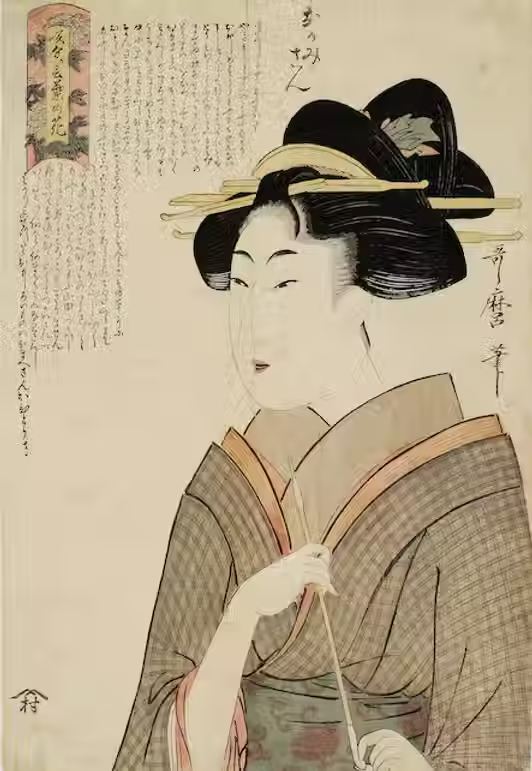
Tobacco pipes were imported to Japan during the late 16th century from the Portuguese. As the custom of smoking became more widespread, domestic kiseru – a tobacco pipe – production became common. A variety of materials were used to produce kiseru, including metal; wood; stone; ceramics; and glass. Metal was the most frequently used material as it was both easy to work with and highly durable. This lecture will explore the technical evolution of kiseru manufacturing and craftsmanship from the Edo period (1603–1868) to the Meiji period (1868–1912); and also look at how the humble kiseru transformed from a plain, functional, metal pipe to a canvas for craftsmen to demonstrate their artistic prowess with demanding techniques such as carving and inlaying. Mr. Kyozaburo Tsuge is the president of Tsuge Pipe Company. He is also a researcher on Japanese smoking accessories and traditional Japanese artworks including netsuke and woodblock prints. He is the only person of Asian descent to hold the title “Pipe Knight of the Year”, awarded by the German Tobacco Collegium. Mr. Tsuge is devoted to the promotion of traditional Japanese craftsmanship.
煙管早於十六世紀末期從葡萄牙傳入日本,但隨著日本國內吸煙風氣漸漸盛行,本土製造的煙管也開始普及。製作煙管的物料五花八門,其中包括金屬、木材、石頭、陶瓷和玻璃。金屬是最常用到的材料,因為它易於打磨且非常耐用。是次講座將會帶大家探索由江戶時期 (1603–1868年)到明治時期 (1868–1912年),煙管在製造和工藝方面有何演進,同時亦會揭秘煙管是如何從平平無奇、實用的金屬管子,逐漸成為工匠們通過雕刻和鑲嵌展示藝術感的媒介。 柘恭三郎先生是拓製作所的主席以及研究人員,主要研究日本吸煙配件和傳統日本藝術品,包括根付和木版印刷。